
The Ultimate Guide to Drywall Repair and Painting in Phoenix


Understanding the Basics of Drywall Repair
Drywall is a staple in modern construction, providing a smooth, clean finish to walls and ceilings. However, wear and tear over time can lead to cracks, holes, and other imperfections. Before embarking on a repair project, it's essential to understand the type of damage and the appropriate repair techniques.
Common issues include nail pops, small holes, and cracks. For minor blemishes, a simple patch and paint may suffice. More extensive damage might require cutting out and replacing sections of drywall.
Essential Tools and Materials
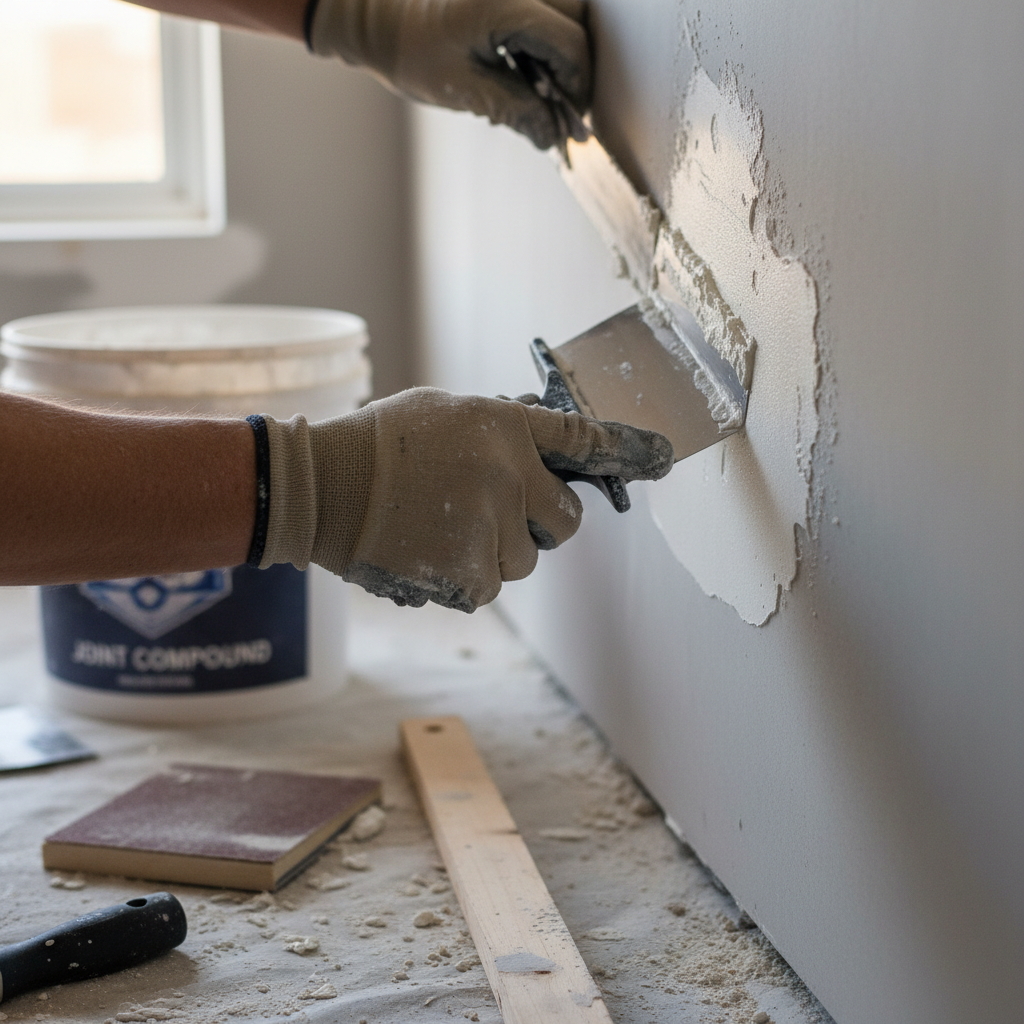
Before starting any repair, gather all necessary tools and materials. A basic drywall repair kit should include joint compound, a putty knife, sandpaper, and drywall patches. For painting, you'll need primer, paint, and brushes or rollers.
- Joint Compound: This is used to fill in holes and smooth out surfaces.
- Putty Knife: Essential for applying joint compound.
- Sandpaper: Helps achieve a smooth finish before painting.
- Primer and Paint: Choose high-quality options for the best results.
Step-by-Step Guide to Repairing Drywall
Repairing drywall might seem daunting, but it can be broken down into manageable steps. Begin by cleaning the area to remove dust and debris. Next, apply the joint compound with a putty knife, smoothing it over the damaged area. Allow it to dry completely before sanding.
If you're dealing with larger holes, apply a patch before the joint compound. This provides a sturdier base and ensures a long-lasting repair.
Sanding and Finishing
Once the joint compound is dry, use sandpaper to smooth out the surface. The goal is to make the repair area level with the surrounding wall. Be careful to avoid over-sanding, which can create additional work.
After sanding, wipe down the area with a damp cloth to remove any dust. This prepares the surface for priming and painting.
Painting for a Perfect Finish
Painting is the final step in achieving a flawless wall. Start by applying a primer to the repaired area. This ensures the paint adheres well and covers any remaining imperfections. Choose a primer that matches the type of paint you'll be using.
Once the primer is dry, apply your chosen paint. For the best results, use high-quality paint and apply two coats. Allow each coat to dry completely before applying the next.
Choosing the Right Paint and Color
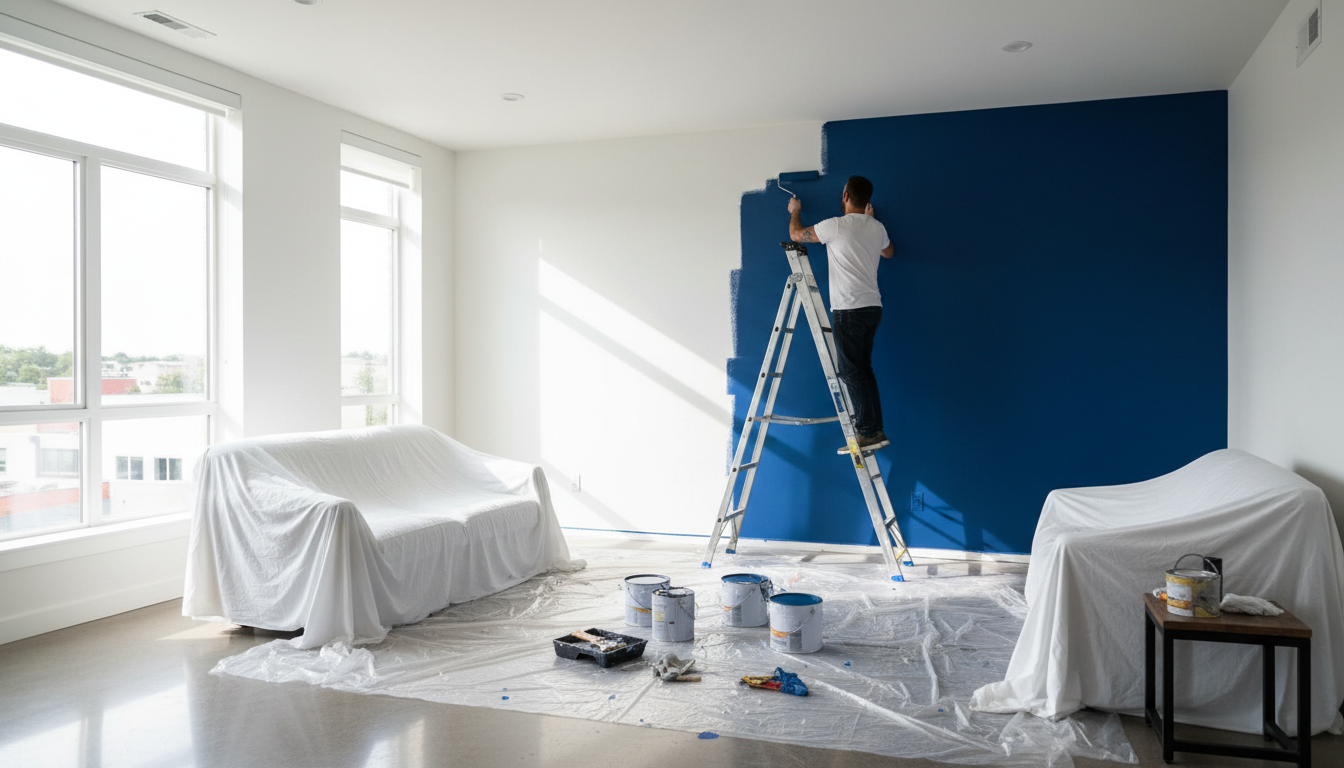
When selecting paint, consider the room's lighting and purpose. In Phoenix, where natural light is abundant, lighter shades can help keep spaces cool and bright. Additionally, opt for paint with a durable finish to withstand the area's unique climate conditions.
Experiment with samples before committing to a color. This helps ensure your chosen shade complements the room's decor and lighting.
Maintaining Your Walls
Regular maintenance can prolong the life of your drywall and paint. Keep an eye out for small cracks or holes and address them promptly. Regular cleaning with a gentle solution can also help maintain the paint's appearance.
Consider scheduling periodic inspections to catch potential problems early, ensuring your walls remain in top condition for years to come.